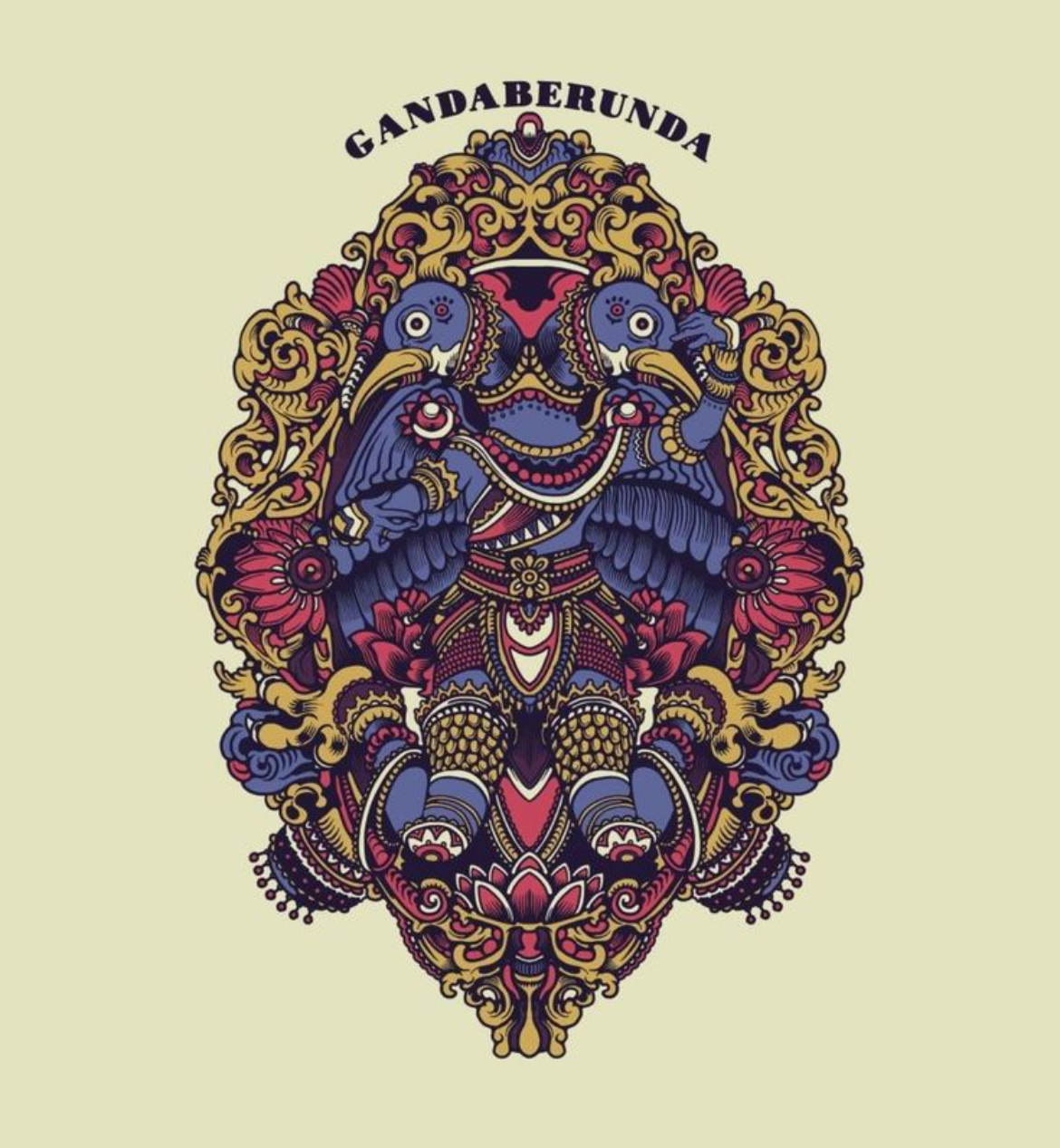
ಶ್ರೀ ಏಕದಂತ ಯುವಕರ ಸಂಘದಿಂದ ಆಯೋಜಿಸಲಾಗುವ ಈ ವರ್ಷದ ಗಣೇಶ ಚತುರ್ಥಿಯನ್ನು ಗಂಡಭೇರುಂಡ ಪಕ್ಷಿಗೆ ಸಮರ್ಪಣೆ ಎಂಬ ಅಭಿಪ್ರಾಯವು ಶ್ರದ್ಧೆಯ ಆಚರಣೆಯ ಒಂದು ಹೊಸ ರೂಪವಾಗಬಹುದು, ಮತ್ತು ಇದು ಕರ್ನಾಟಕದ ರಾಜ್ಯಚಿಹ್ನೆಯಾದ (State emblem) ಗಂಡಭೇರುಂಡ ಪಕ್ಷಿಯ ಗೌರವವನ್ನು ಜಗತ್ತಿಗೆ ತೋರಿಸುವ ರೂಪವಾಗುತ್ತದೆ.
ಗಂಡಭೇರುಂಡ ಇದು ಕರ್ನಾಟಕದ ಅಧಿಕೃತ ಲಾಂಛನದ ಮೇಲ್ಭಾಗದಲ್ಲಿ ಇರುವ ಪೌರಾಣಿಕ, ಎರಡು ತಲೆಗಳಿರುವ ಪಕ್ಷಿಯ ಚಿತ್ರ. ಇದು ಶಕ್ತಿಯ, ಪುನರ್ಜೀವನದ, ಹಾಗೂ ರಾಜ್ಯದ ಆತ್ಮವಿಶ್ವಾಸದ ಪ್ರತೀಕ.
"ಕರ್ನಾಟಕದ ರಾಜ್ಯಚಿಹ್ನೆ"
ಕರ್ನಾಟಕದ ರಾಜ್ಯಚಿಹ್ನೆಯ ಕೇಂದ್ರದಲ್ಲಿ ಗಂಡಭೇರುಂಡ ಹಕ್ಕಿಯ ಚಿತ್ರಣವಿದೆ. ಈ ಚಿಹ್ನೆ 1881 ರ ಮೈಸೂರು ರಾಜ್ಯ ಕಾಲದಲ್ಲಿ ಪ್ರಾರಂಭವಾದದ್ದಾಗಿದ್ದು, 1956 ರ ಕರ್ನಾಟಕ ರಾಜ್ಯ ಸ್ಥಾಪನೆಯ ಬಳಿಕ ಅಧಿಕೃತವಾಗಿ ಅಂಗೀಕರಿಸಲಾಯಿತು.
- ಗಂಡಭೇರುಂಡ: ಎರಡು ತಲೆಗಳುಳ್ಳ ಭೀಕರ ಹಕ್ಕಿ – ಶಕ್ತಿಯ, ರಕ್ಷಣೆಯ ಹಾಗೂ ದೇವತೆಯ ಪ್ರತೀಕ.
- ಯಾಲಿಗಳು: ಎರಡೂ ಬದಿಗಳಲ್ಲಿರುವ ದೈವಿಕ ಸಿಂಹಾಕೃತಿಗಳು – ಧೈರ್ಯ, ರಾಜ್ಯಾಧಿಕಾರದ ಸೂಚನೆ.
- ಗಜಲಕ್ಷ್ಮಿ: ಕಳಶಗಳೊಂದಿಗೆ ಕೂರಿರುವ ಲಕ್ಷ್ಮಿ ದೇವಿ – ಐಶ್ವರ್ಯ ಮತ್ತು ಶ್ರೀಮಂತಿಕೆ.
- ಸತ್ಯಮೇವ ಜಯತೆ: ದೇವನಾಗರಿಯಲ್ಲಿ ಕೆಳಬಾಗೆಯಲ್ಲಿ ಬರೆದಿರುವ ರಾಷ್ಟ್ರಮುಖವಾಕ್ಯ – "ಸತ್ಯದ ವಿಜಯ."

"ಗಂಡಭೇರುಂಡ: ಪುರಾತನ ದ್ವಿತಲ ಹಕ್ಕಿ"
ಗಂಡಭೇರುಂಡ (Gaṇḍabheruṇḍa) ಶಬ್ದದ ಅರ್ಥ “ಗಂಡ” ಮತ್ತು “ಭೇರುಂಡ” ಎಂಬ ಎರಡು ಸಂಸ್ಕೃತ ಪದಗಳಿಂದ ಬಂದದ್ದು. “ಭೇರುಂಡ” ಎಂಬ ಪದದ ಅರ್ಥ “ಪ್ರೇತಲ್ಪಡುವ ಭೀಕರ” ಎಂದು ವಿವರಣೆಗಳಿವೆ
ಗಂಡಬೇರುಂಡ ಎಂದರೇನು?
ಗಣೇಶ ಚತುರ್ಥಿಯು ನವಚೇತನ ಹಾಗೂ ಶ್ರದ್ಧೆಯ ಹಬ್ಬ. ಅದನ್ನು ಗಂಡಭೇರುಂಡಕ್ಕೆ ಸಮರ್ಪಿಸುವ ಮೂಲಕ, ನಾವು ರಾಜ್ಯದ ಸಾಂಸ್ಕೃತಿಕ ಬಲವನ್ನು ಜಗತ್ತಿಗೆ ತೋರಿಸುತ್ತೇವೆ.
• “ಗಂಡ” ಅಂದ್ರೆ ಶಕ್ತಿಶಾಲಿ,
• ಬೇರುಂಡ” ಅಂದ್ರೆ ಎರಡು ತಲೆಗಳು.
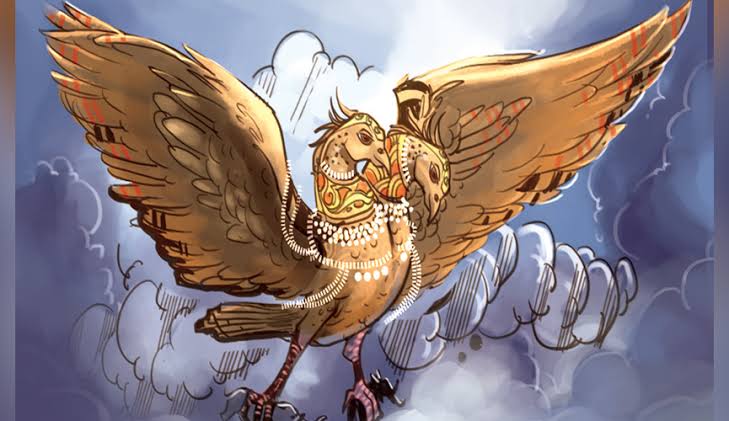
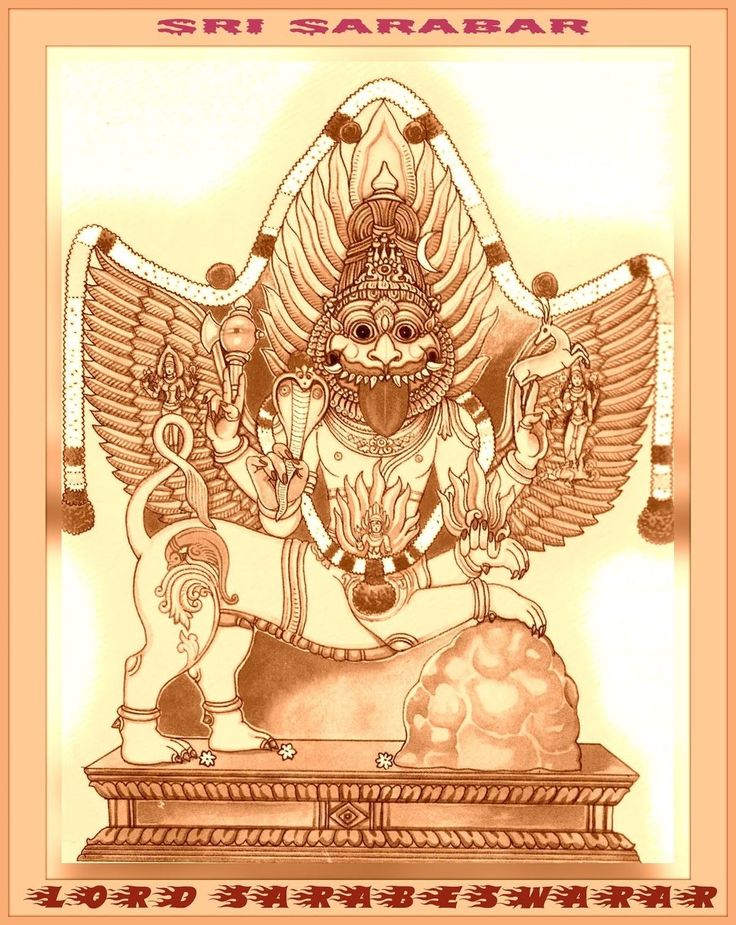
ಹೀಗಾಗಿ ಗಂಡಭೇರುಂಡವನ್ನು ಸಾಮಾನ್ಯವಾಗಿ “ಭೀಕರ ದ್ವಿ-ತಲ ಹದ್ದು” ಎಂದು ವಿವರಿಸಲಾಗುತ್ತದೆ. ಪುರಾಣಪ್ರಕಾರ, ಈ ದುರ್ಬಲಭೀಕರ ಪ್ರಾಣಿ ಶಿವನ ಶರಭ ರೂಪವನ್ನು ತಡೆಯಲು ವಿಷ್ಣು ತಾನು ಗಂಡಭೇರುಂಡ ರೂಪದಲ್ಲಿ ಹಾಕಿದೆಯೆಂದು ಹೇಳಲಾಗಿದೆ.
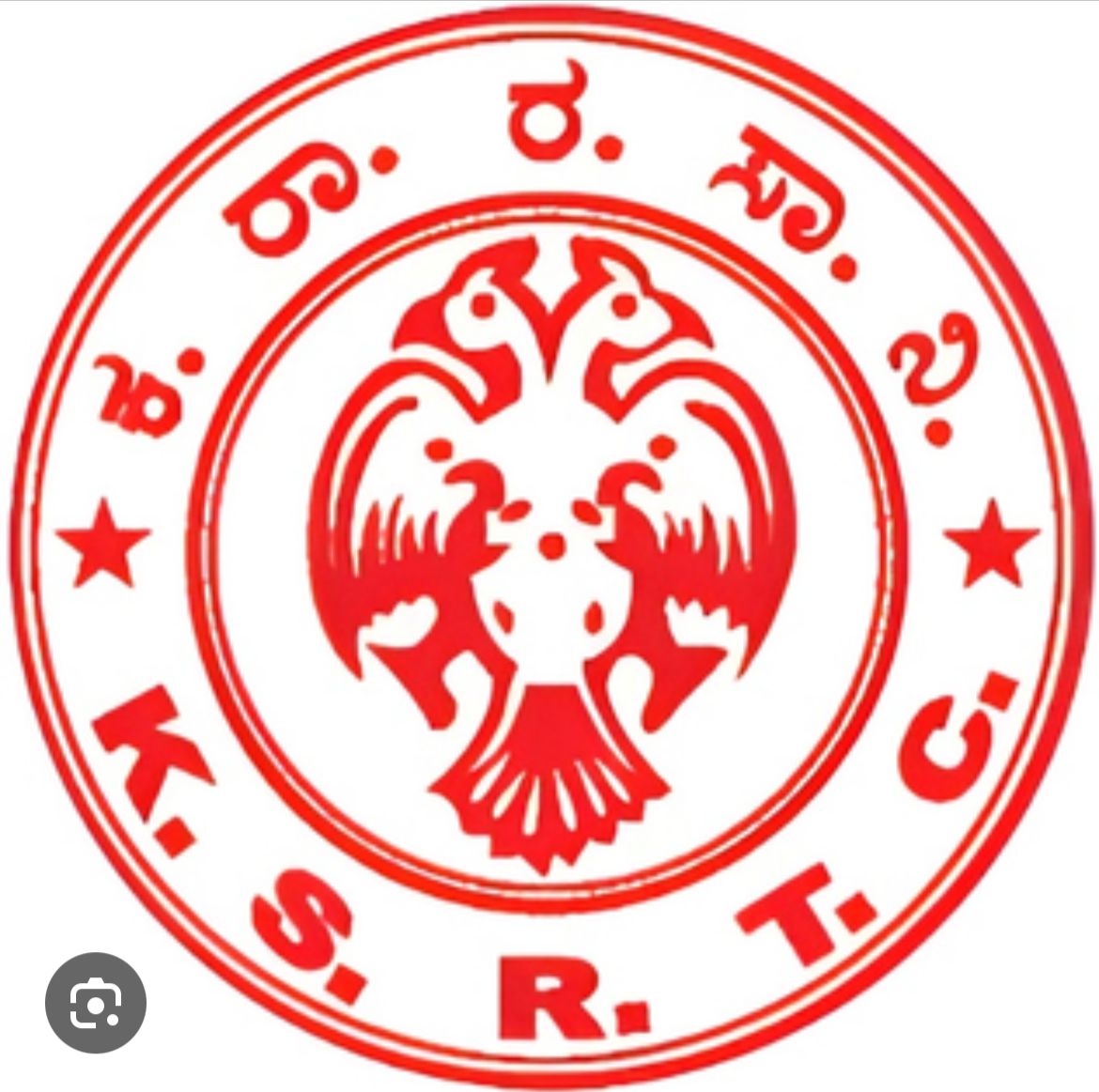
"KSRTC ಯಲ್ಲಿ ಗಂಡಭೇರುಂಡದ ಬಳಕೆ: "
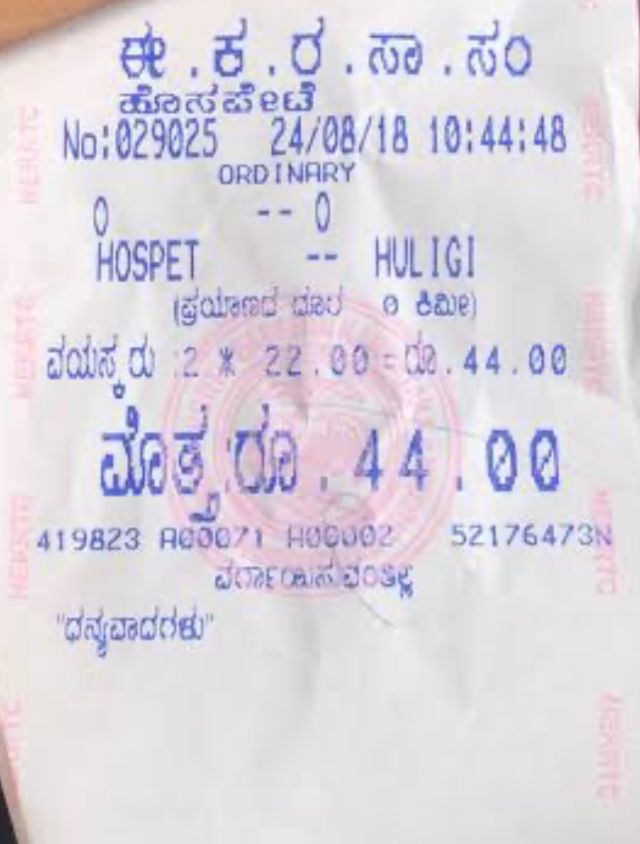
KSRTC ತನ್ನ ಬಸ್ಸುಗಳು ಮತ್ತು ಟಿಕೆಟ್ಗಳ ಮೇಲೆ ಗಂಡಭೇರುಂಡವನ್ನು ಲಾಂಛನವಾಗಿ ಬಳಸುತ್ತದೆ. ಇದು ಕರ್ನಾಟಕದ ಸಾರಿಗೆ ವ್ಯವಸ್ಥೆಯು ರಾಜ್ಯದ ಪರಂಪರೆ ಮತ್ತು ಸಂಸ್ಕೃತಿಯೊಂದಿಗೆ ಹೇಗೆ ಸಂಬಂಧ ಹೊಂದಿದೆ ಎಂಬುದನ್ನು ತೋರಿಸುತ್ತದೆ.
ಬೆರುಂಡ ಪಕ್ಷಿ ಪ್ರಾಚೀನ ಸಾಹಿತ್ಯದಲ್ಲಿನ ಉಲ್ಲೇಖಗಳು (ಕ್ರಿ.ಪೂ. ಕಾಲದಿಂದ 300 ಕ್ರಿ.ಶ. ಒಳಗೆ)
1. ಪಂಚತಂತ್ರ ಕಥೆಗಳು (ಸುಮಾರು ಕ್ರಿ.ಪೂ. 200 ಕ್ರಿ.ಶ. 300)
• ಇಲ್ಲಿ ಎರಡು ತಲೆಗಳ ಗರುಡನಂತಹ ಪಕ್ಷಿ ಬೆರುಂಡ ಎಂಬುದರ ಕಥೆ ಬರುತ್ತದೆ.
• ಎರಡು ತಲೆಗಳು — ಗರೂಡ ಮತ್ತು ಉಪಗರೂಡ — ಒಂದೊಂದು ಬಾರಿ ಮಲಗುತ್ತಾ, ಎದ್ದುಕೊಳ್ಳುತ್ತಾ ಇರುತ್ತವೆ.
• ಗರೂಡ, ಉಪಗರೂಡ ಮಲಗಿರುವಾಗ ರುಚಿಯಾದ ಹೂವನ್ನು ತಿನ್ನುತ್ತದೆ.
• ಕೋಪಗೊಂಡ ಉಪಗರೂಡ, ಎದ್ದ ಮೇಲೆ ವಿಷದ ಹೂವನ್ನು ತಿನ್ನುತ್ತದೆ.
• ಅದರ ಪರಿಣಾಮ ಇಬ್ಬರೂ ಸಾಯುತ್ತಾರೆ.
• ಪಾಠ: ಒಗ್ಗಟ್ಟಿಲ್ಲದಿದ್ದರೆ ಇಬ್ಬರೂ ನಾಶವಾಗುತ್ತಾರೆ ಎಂಬ ಪಾಠ.
• ಈ ಕಥೆ ಬೌದ್ಧ ಜಾತಕ ಕಥೆಗಳಲ್ಲೂ ಬರುತ್ತದೆ.
2. ಮಹಾಭಾರತ (ಕ್ರಿ.ಪೂ. 400ಕ್ಕೂ ಹಳೆಯ ಉಲ್ಲೇಖ)
• ಬೆರುಂಡ ಪಕ್ಷಿಗಳು ಮಾನವ ಮುಖ ಹೊಂದಿದ್ದು, ಸುಂದರವಾಗಿ ಹಾಡುವವು ಎಂದು ವಿವರಿಸಲಾಗಿದೆ.
3. ಕಲ್ಪಸೂತ್ರ (ಜೈನ ಗ್ರಂಥ) (ಭದ್ರಬಾಹು ಕ್ರಿ.ಪೂ. 4ನೇ ಶತಮಾನ)
• 24ನೇ ತೀರ್ಥಂಕರ ಮಹಾವೀರ ಅವರು “ಎಲ್ಲ ದಿಕ್ಕುಗಳಲ್ಲಿ ಎಚ್ಚರಿಕೆಯಿಂದ ಇರುವವರು, ಬೆರುಂಡ ಪಕ್ಷಿಯಂತೆ” ಎಂದು ಹೇಳಲಾಗಿದೆ.
4. ವಿಷ್ಣುಸ್ಮೃತಿ
• ಇಲ್ಲಿ ಕೆಲವು ಸ್ತುತಿಪದಗಳನ್ನು ಬೆರೂಂಡ ಎಂದು ಕರೆಯಲಾಗಿದೆ.
5. ಶತ್ರುಂಜಯ ಮಹಾತ್ಮ್ಯ
• ಬೆರುಂಡಗಳನ್ನು “ಖಿಲಪಕ್ಷಿಣ” (ಮರಳು ಪ್ರದೇಶದ ಪಕ್ಷಿಗಳು) ಎಂದು ಕರೆಯಲಾಗಿದೆ.
6. ಶಿವಪುರಾಣ
• ಬೆರುಂಡ ಪಕ್ಷಿಗಳು ಶಿವನ ಪಾರ್ಶ್ವದೇವತೆಗಳ ಪಟ್ಟಿಯಲ್ಲಿ ಬರುತ್ತವೆ.
7. ಮತ್ಸ್ಯಪುರಾಣ
• ಜಟಾಯುನ ಮಕ್ಕಳಲ್ಲಿ ಒಬ್ಬನಿಗೆ ಬೆರುಂಡ ಎಂದು ಹೆಸರು, ಮತ್ತು ಅವರು ಎಲ್ಲಾ ಪಕ್ಷಿಗಳ ಪೂರ್ವಜರು ಎಂದು ಹೇಳಲಾಗಿದೆ.
8. ಬ್ರಹ್ಮಾಂಡಪುರಾಣ
• ಬೆರುಂಡ ಪಕ್ಷಿ ಮಹಾವಜ್ರೇಶ್ವರಿ ದೇವಿಯ ವಾಹನ ಎಂದು ಚಿತ್ರಿಸಲಾಗಿದೆ.
"ವಿಜಯನಗರ ಸಾಮ್ರಾಜ್ಯದಲ್ಲಿ ಗಂಡಭೇರುಂಡದ ಇತಿಹಾಸ "
ವಿಜಯನಗರದ ಲಾಂಛನ:
ಗಂಡಭೇರುಂಡವು ವಿಜಯನಗರ ಸಾಮ್ರಾಜ್ಯದ ಪ್ರಮುಖ ಲಾಂಛನವಾಗಿತ್ತು, ಇದನ್ನು ನಾಣ್ಯಗಳು, ಸ್ಮಾರಕಗಳು ಮತ್ತು ಇತರ ಅಧಿಕೃತ ದಾಖಲೆಗಳಲ್ಲಿ ಬಳಸಲಾಗುತ್ತಿತ್ತು.
ಅಚ್ಯುತದೇವರಾಯನ ಕಾಲದಲ್ಲಿ:
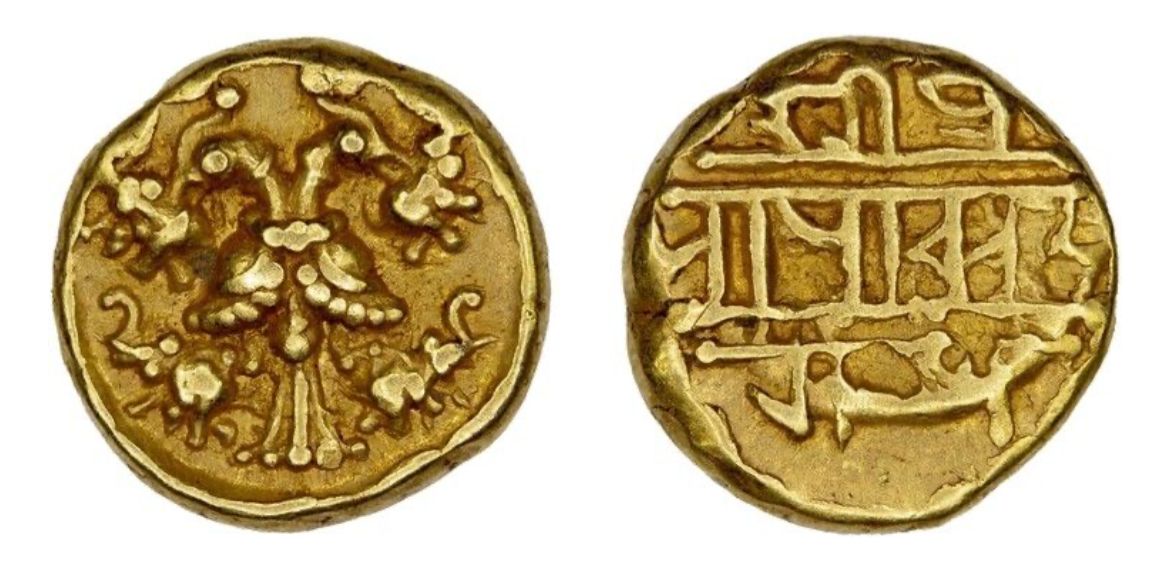
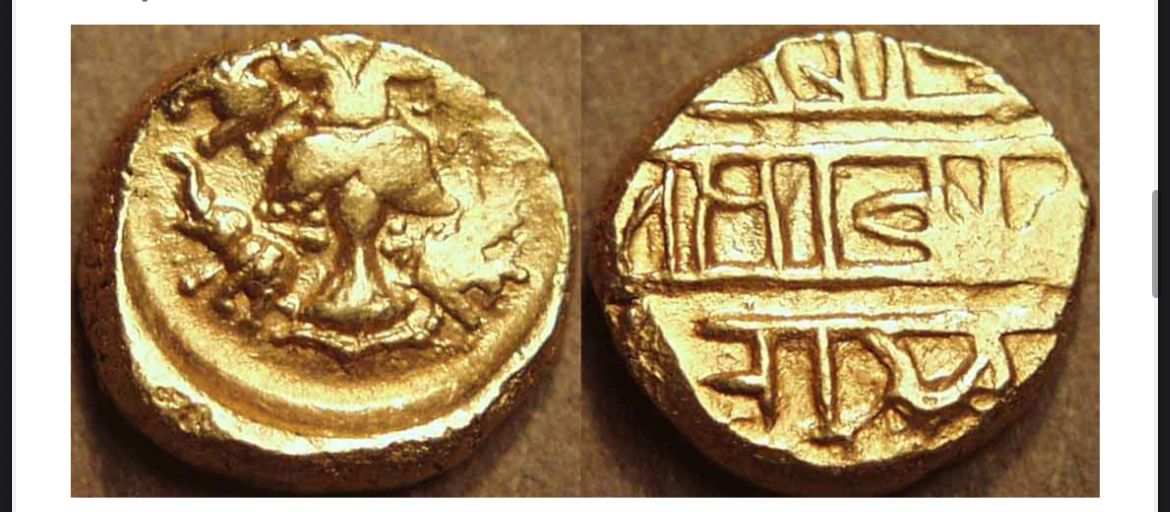
ಅಚ್ಯುತದೇವರಾಯನ ಆಳ್ವಿಕೆಯ ಕಾಲದಲ್ಲಿ ಚಿನ್ನ ಮತ್ತು ತಾಮ್ರದ ನಾಣ್ಯಗಳ ಮೇಲೆ ಗಂಡಭೇರುಂಡದ ಚಿತ್ರಣವನ್ನು ಕಾಣಬಹುದು.
ಶಕ್ತಿಯ ಸಂಕೇತ:
ಗಂಡಭೇರುಂಡವು ಶಕ್ತಿ, ಧೈರ್ಯ ಮತ್ತು ರಕ್ಷಣೆಯ ಸಂಕೇತವಾಗಿತ್ತು, ಇದು ವಿಜಯನಗರದ ಆಡಳಿತಗಾರರ ಅಧಿಕಾರ ಮತ್ತು ಪ್ರತಿಷ್ಠೆಯನ್ನು ಸೂಚಿಸುತ್ತದೆ.
• ಗಂಡಭೇರಂಡ → ಎರಡು ತಲೆಯ ಪೌರಾಣಿಕ ಪಕ್ಷಿ, ಅಪಾರ ಶಕ್ತಿ ಮತ್ತು ಮೇಲುಗೈಯ ಸಂಕೇತ.
• ವಿಜಯನಗರ ರಾಯರು → ಇದನ್ನು ತಮ್ಮ ರಾಜಚಿಹ್ನೆಯಾಗಿ ಬಳಸಿದರು.
• ಅಚ್ಯುತದೇವರಾಯ (ಕ್ರಿ.ಶ. 1529–1542) → ಚಿನ್ನದ ನಾಣ್ಯಗಳಲ್ಲಿ ಗಂಡಭೇರಂಡ ವಿನ್ಯಾಸವನ್ನು ಹಾಕಿದರು.
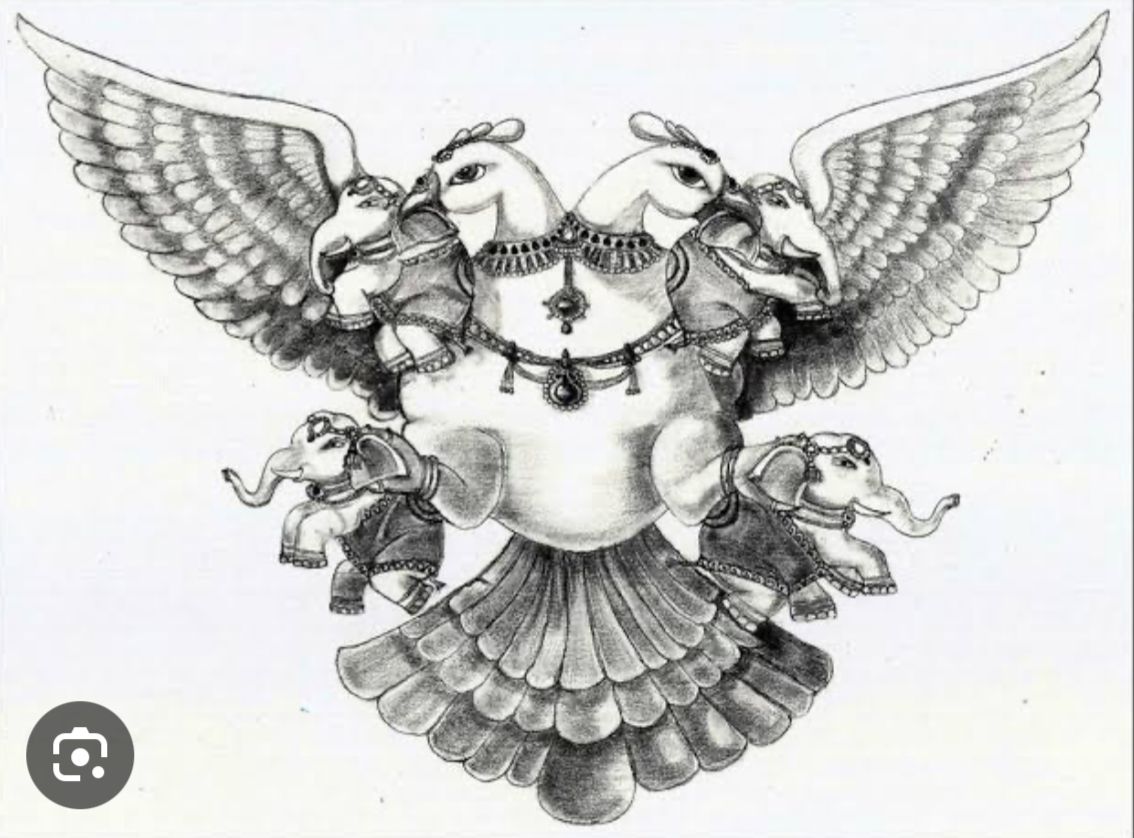
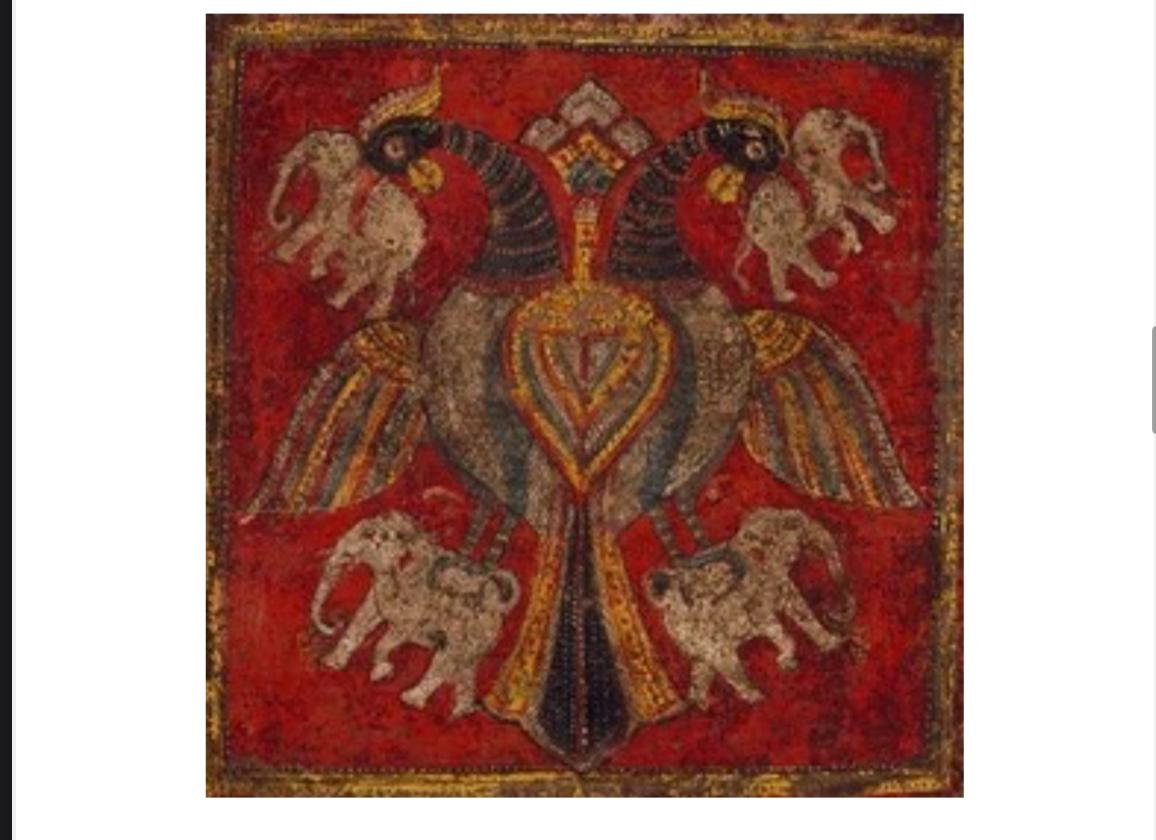
• ಆ ನಾಣ್ಯದಲ್ಲಿ → ಗಂಡಭೇರಂಡ ತನ್ನ ಎರಡು ಚಂಚುಗಳಲ್ಲಿ ಮತ್ತು ಎರಡು ಪಂಜಗಳಲ್ಲಿ ಒಟ್ಟು ನಾಲ್ಕು ಆನೆಗಳನ್ನು ಹಿಡಿದಿದೆ.
• ನಾಲ್ಕು ಆನೆಗಳ ಪ್ರತೀಕಾತ್ಮಕ ಅರ್ಥ → ಅಂದಿನ ಡೆಕ್ಕನ್ನ ನಾಲ್ಕು ಇಸ್ಲಾಮಿ ಸುಲ್ತಾನತೆಗಳು:
1. ಬಿದರ್
2. ವಿಜಾಪುರ (ವಿಜಯಪುರ)
3. ಅಹಮದನಗರ
4. ಗೋಲ್ಕೊಂಡಾ
• ಈ ವಿನ್ಯಾಸವು → ವಿಜಯನಗರ ಸಾಮ್ರಾಜ್ಯವು ಎಲ್ಲ ದಿಕ್ಕಿನ ಶತ್ರುಗಳ ಮೇಲೆ ಮೇಲುಗೈ ಸಾಧಿಸಿದೆ ಎಂಬ ರಾಜಕೀಯ ಸಂದೇಶ.
• ನಾಣ್ಯದ ಹಿಂಭಾಗದಲ್ಲಿ → ದೇವನಾಗರಿ ಲಿಪಿಯಲ್ಲಿ “ಶ್ರೀ ಪ್ರತಾಪ ಅಚ್ಯುತರಾಯ” ಎಂಬ ಬರಹ.
"ಮೈಸೂರು ಅರಸರ ಲಾಂಛನ:"
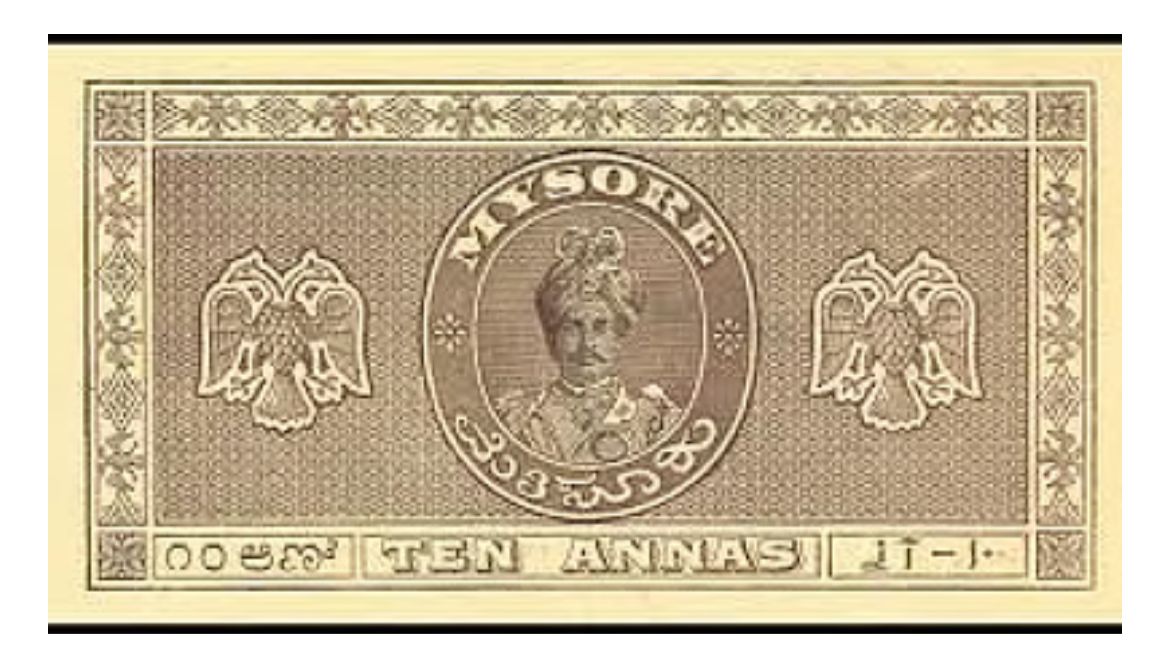
ವಿಜಯನಗರ ಸಾಮ್ರಾಜ್ಯದ ಪತನದ ನಂತರ, ಮೈಸೂರು ಅರಸರು ಗಂಡಭೇರುಂಡವನ್ನು ತಮ್ಮ ಲಾಂಛನವಾಗಿ ಅಳವಡಿಸಿಕೊಂಡರು ಮತ್ತು ಅದನ್ನು ಕರ್ನಾಟಕ ರಾಜ್ಯದ ಲಾಂಛನವಾಗಿ ಮುಂದುವರಿಸಲಾಯಿತು.
ನೋಟುಗಳಲ್ಲಿ ಬಳಕೆ:ಮೈಸೂರು ರಾಜ್ಯ ಕಾಲದಲ್ಲಿ ಮುದ್ರಿತ ನೋಟುಗಳ ಮೇಲೆ ಈ ಗಂಡಭೇರುಂಡ ಚಿಹ್ನೆ ಕಾಣುತ್ತಿತ್ತು.
-ವಿಜಯನಗರದ ನಂತರ
ಮೈಸೂರು ಒಡೆಯರ ಸಂಸ್ಥಾನದಲ್ಲಿ ಗಂಡಬೇರುಂಡವನ್ನು ತಮ್ಮ ಲಾಂಛನವನಾಗಿ ಬಳಸಲು ಪರಂಪರೆ ಶುರುವಾಯಿತು
-16 ನೇ ಶತಮಾನದ ಮಧ್ಯದಲ್ಲಿ ಗಂಡಬೇರುಂಡ ಚಿನ್ನಿ
ಬಳೆಕೆ ಶುರುವಾಯಿತು ಅಂತ ಹೇಳ್ತಾರೆ
ಪ್ರಾಧ್ಯಾಪಕ ಪಿ.ವಿ. ನಂಜರಾಜ್ ಅರಸು ಎಂದೂ ಕರೆಯಲ್ಪಡುವ ನಂಜರಾಜ್ ಅರಸ್, ಭಾರತದ ಕರ್ನಾಟಕ, ಇತಿಹಾಸಕಾರ ಮತ್ತು ಚಲನಚಿತ್ರ ನಿರ್ಮಾಪಕ.
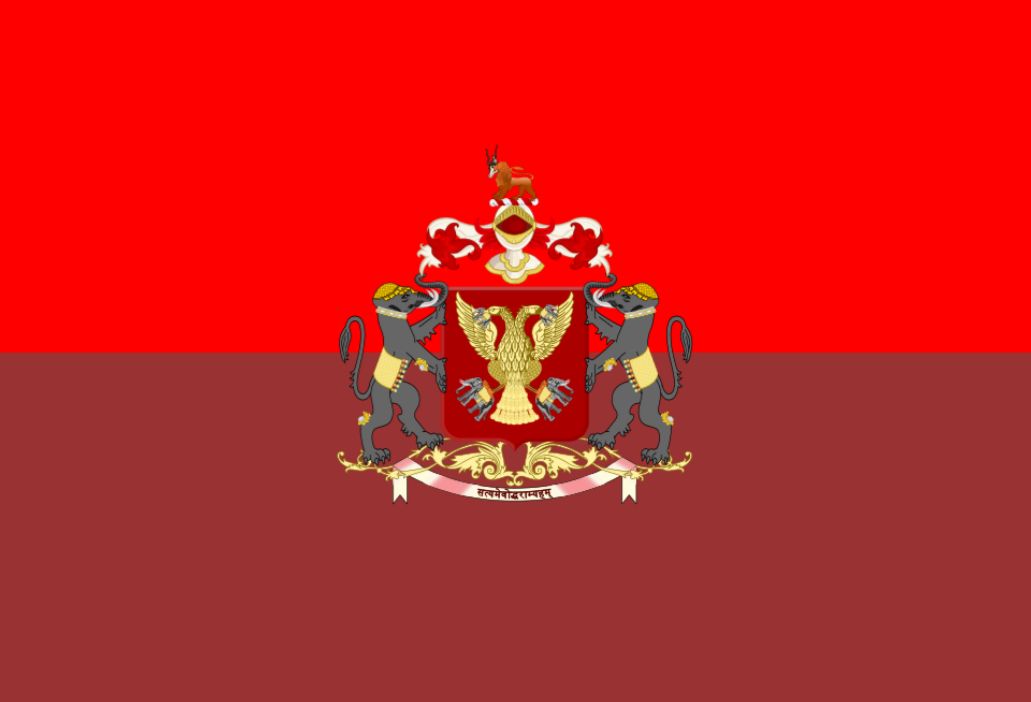
-ಮೈಸೂರು ಅರಸರಾಗಿದ್ದ ಯದುರಾಯರು ಮೊದಲ ಬಾರಿಗೆ ಗಂಡಬೇರುಂಡದ ಚಿತ್ರ ಮುದ್ರಿತ ಧ್ವಜವನ್ನು ವಿಜಯ ಯಾತ್ರೆಯಲ್ಲಿ ಬಳಸಿದರು. ಅ ನಂತರ ಮೈಸೂರು ದ್ವಜವೀಧಿ ಕೆಂಪು ಬಣ್ಣದ ಧ್ವಜವನ್ನು
ಮೈಸೂರಿನ ರಾಜ್ಯ ದ್ವಜವಾಗಿ ಬಳಸಲು ಪ್ರಾರಂಭಿಸಿದರು .-ಸತ್ಯ ಹಾಗು ಧರ್ಮ ಸಂಕೇತವಾಗಿತ್ತು.
"‘ಸತ್ಯಮೇವೋ ಭವರಾಮ್ಯಹಮ್’ ಎಂಬ ಧ್ಯೇಯವಾಕ್ಯವನ್ನು ಹೊಂದಿದ ರಾಜ್ಯ ಧ್ವಜವು ಸತ್ಯ ಹಾಗೂ ಧರ್ಮದ ಸಂಕೇತವಾಗಿ ರಾರಾಜಿಸಿತು."
"ಕರ್ನಾಟಕ ರಾಜ್ಯ ಪೊಲೀಸ್"
• ಕರ್ನಾಟಕ ರಾಜ್ಯ ಪೊಲೀಸ್ ಇಲಾಖೆಯ ಲಾಂಛನದಲ್ಲಿ ಗಂಡಭೇರುಂಡ ಚಿಹ್ನೆಯಿದೆ.
• ಇದು ಅಪಾರ ಶಕ್ತಿ, ಧೈರ್ಯ ಮತ್ತು ನ್ಯಾಯದ ಸಂಕೇತ.
• ಲಾಂಛನದ ಕೆಳಭಾಗದಲ್ಲಿ “ಸತ್ಯಮೇವ ಜಯತೇ” ಎಂಬ ಧ್ಯೇಯವಾಕ್ಯ ಬರೆಯಲಾಗಿದೆ.
• ಇದು ಪೊಲೀಸ್ ಇಲಾಖೆಯ ಜನರ ರಕ್ಷಣೆ ಹಾಗೂ ಕಾನೂನು-ಸುವ್ಯವಸ್ಥೆ ಕಾಪಾಡುವ ಬದ್ಧತೆಯನ್ನು ತೋರಿಸುತ್ತದೆ.
• ಇಂದಿಗೂ ಪೊಲೀಸ್ ಇಲಾಖೆಯ ವಾಹನಗಳಲ್ಲಿ, ಯೂನಿಫಾರ್ಮ್ನಲ್ಲಿ ಹಾಗೂ ಅಧಿಕೃತ ದಾಖಲೆಗಳಲ್ಲಿ ಈ ಲೋಗೋ ಅಳವಡಿಸಲಾಗಿದೆ.

"ಪುರಾಣಿಕ ಕಥೆಗಳು"
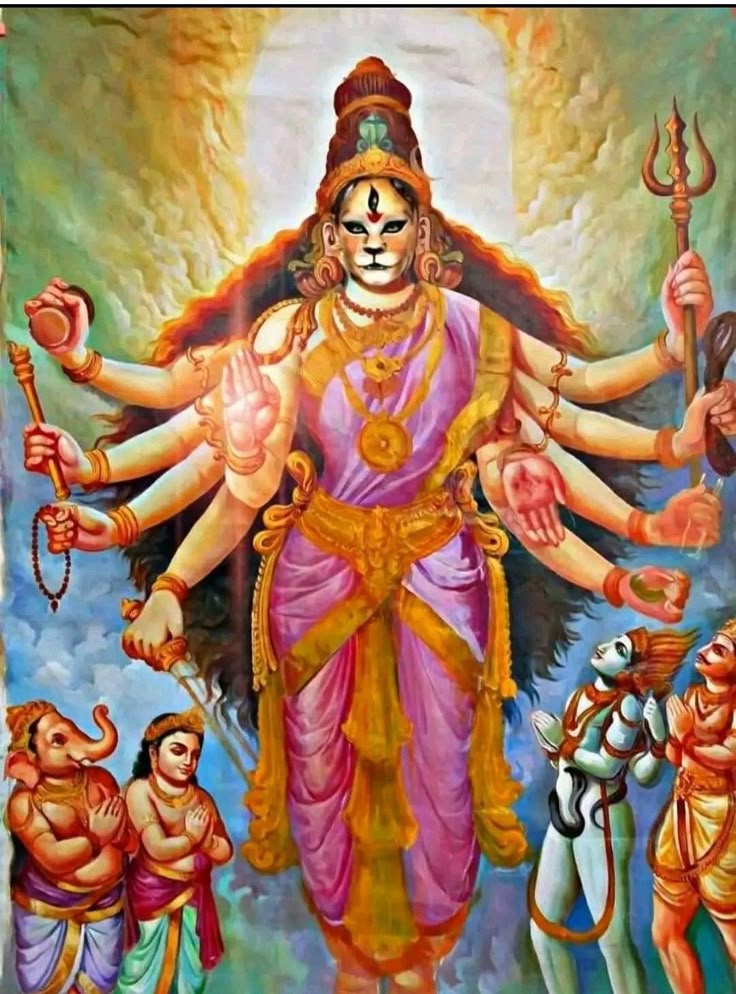
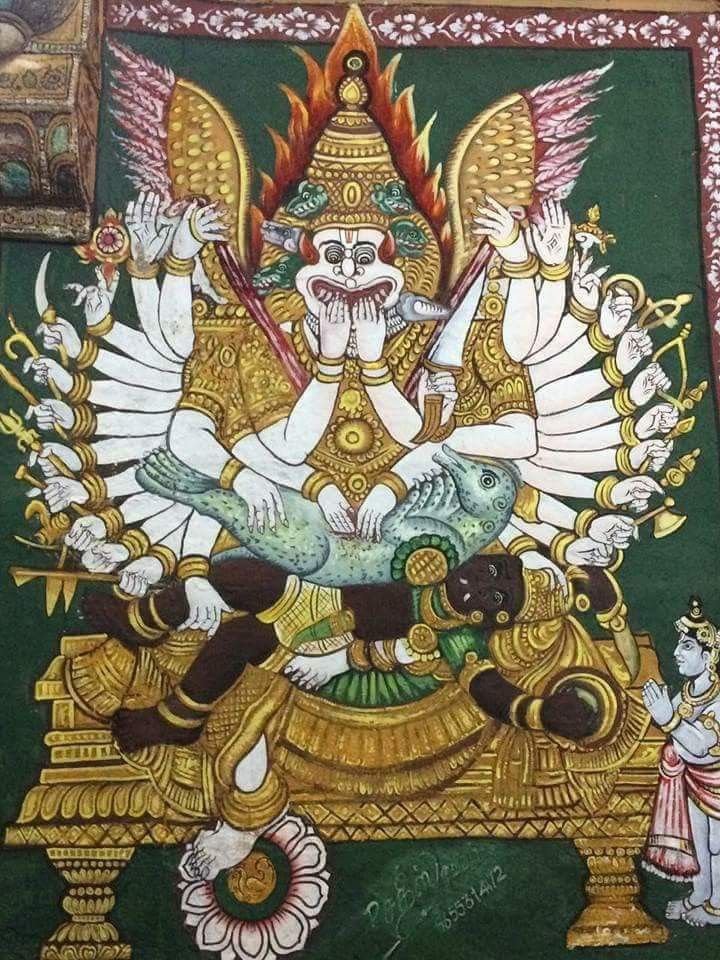
ಹಿಂದೂ ಸ್ಮೃತಿ ಪುರಾಣಗಳಲ್ಲಿ ನರಸಿಂಹ ಅವತಾರದ ನಂತರದ ಕಥೆಯೇ ಗಂಡಭೇರುಂಡದ ಪ್ರರಂಭ. ಹಿರಣ್ಯಕಶಿಪುವನ್ನು ಕೊಂದು ಪರಲೋಕದಲ್ಲಿದ್ದ ಪ್ರಹ್ಲಾದನನ್ನು ರಕ್ಷಿಸಿದ ನರಸಿಂಹ ಅವತಾರ ಜ್ವಾಲಾಮುಖಿಯಾದ ಕ್ಷೋಭೆಯಲ್ಲಿ ಮೋಹ ಪಟ್ಟ, ವಿಶ್ವವನ್ನು ಹಾಳು ಮಾಡುವ ಸಂಕಟಕ್ಕೆ ತಲುಪಿತ್ತು. ದೇವರುಗಳ ಸಲಹೆಯಿಂದ ಶಿವನು ಪ್ರಭುಶ್ರೇದಿಗಿಂತ ಭೀಕರವಾದ ಶರಭ ರೂಪವನ್ನು ಧರಿಸಿ ನರಸಿಂಹನ ಪ್ರಭಾವವನ್ನು ಶಮನ ಮಾಡಬೇಕೆಂದು ಯತ್ನಿಸಿದರೂ ಶರಭನಷ್ಟಕ್ಕೂ ನರಸಿಂಹನ ಕ್ರೋಧ ತೇವಾಂಶ ನಿಯಂತ್ರಣಕ್ಕೆ ಬಾರದಾಯಿತು. ಕೊನೆಗೆ ವಿಷ್ಣು ಮರುಶಕ್ತಿಶಾಲಿಯಾಗಿ ಗಂಡಭೇರುಂಡ ಅಥವಾ ದ್ವಿರತ ಹಕ್ಕಿ ರೂಪದಲ್ಲಿ ಪ್ರತಾನವಾಗಿ ಶರಭನನ್ನು ಹೊಯ್ಯುವ ಕಥೆಯಿದೆ . ನರಸಿಂಹಪುರಾಣ ಮತ್ತು ಇತರ ವೈಷ್ಣವ ಸಾಹಿತ್ಯಗಳಲ್ಲಿ ಈ ರಣಕಥೆಯನ್ನು ಬಹುತೇಕ ವಿವರಿಸಲಾಗಿ
"ಪ್ರತ್ಯಂಗಿರಾ ದೇವಿ"
"ಗಂಡಭೇರುಂಡ ಇತಿಹಾಸ ಮತ್ತು ಕಲಾತ್ಮಕ ಚಿತ್ರಣ "
1. ಪ್ರಾಚೀನ ಕಾಲ (ಕ್ರಿ.ಶ. 11ನೇ ಶತಮಾನದ ಹಿಂದಿನದು)
• ವೈವಿಧ್ಯಮಯ ಸಂಸ್ಕೃತಿಗಳಲ್ಲಿ ಕಲ್ಪನೆ:
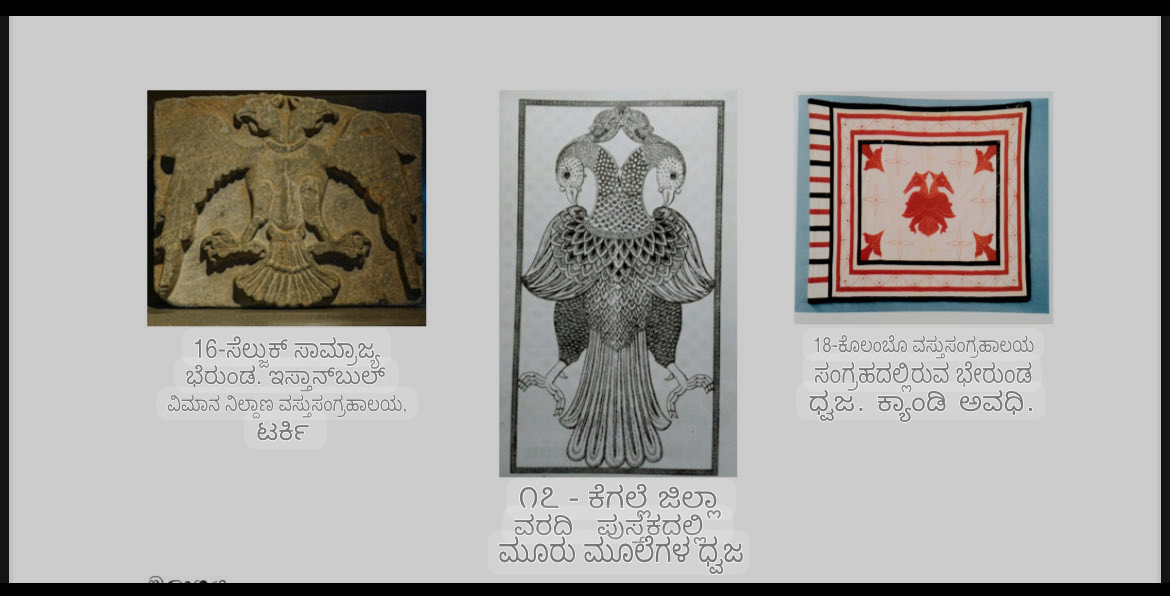
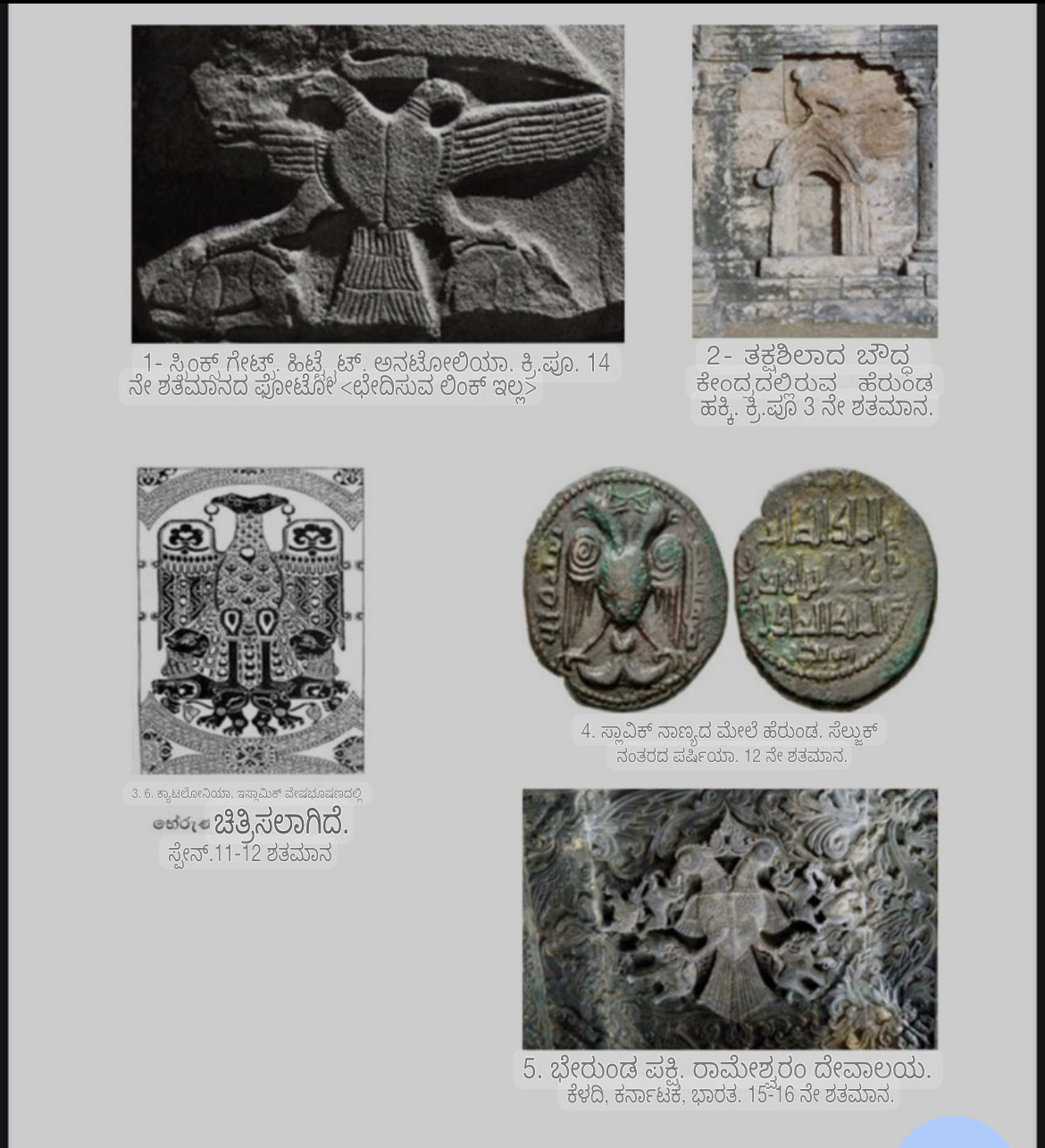
ಎರಡು ತಲೆಗಳ ಶಕ್ತಿಶಾಲಿ ಹಕ್ಕಿ ಎಂಬ ಕಲ್ಪನೆ ಕೇವಲ ಭಾರತದಲ್ಲೇ ಅಲ್ಲ — ಹಿಟ್ಟೈಟ್ಸ್, ಈಜಿಪ್ಷಿಯನ್ಸ್, ಸುಮೇರಿಯನ್ಸ್ ಸಂಸ್ಕೃತಿಗಳಲ್ಲೂ ಕಂಡುಬರುತ್ತಿತ್ತು. ಇದನ್ನು ಎಲ್ಲವನ್ನೂ ನೋಡುವ ದಿವ್ಯ ಹಕ್ಕಿ ಎಂದು ಅರ್ಥೈಸಲಾಗುತ್ತಿತ್ತು.
• ಮೂಲದ ಕುರಿತ ತತ್ವಗಳು:
• ಬ್ರಿಟಿಷ್ ಪುರಾತತ್ವಶಾಸ್ತ್ರಜ್ಞ ಜಾನ್ ಮಾರ್ಷಲ್ ಅವರ ಪ್ರಕಾರ, ಈ ರೂಪವನ್ನು ಶಕ ಜನರು ಟಾಕ್ಸಿಲಾದ ಮೂಲಕ ಭಾರತಕ್ಕೆ ತಂದರು, ನಂತರ ವಿಜಯನಗರ ಮತ್ತು ಶ್ರೀಲಂಕಾಕ್ಕೆ ಹಬ್ಬಿತು.
• ಆದರೆ ಪಂಚತಂತ್ರ, ಮಹಾಭಾರತ, ಪಾಣಿನಿ ವ್ಯಾಕರಣ, ಕಲ್ಪಸೂತ್ರಗಳಲ್ಲಿ ಈ ಹಕ್ಕಿಯ ಉಲ್ಲೇಖಗಳು ಇರುವುದು, ಭಾರತದಲ್ಲಿ ಶಕ ಜನರ ಬರುವುದಕ್ಕಿಂತ ಮುಂಚೆಲೇ ಈ ಕಲ್ಪನೆ ಇತ್ತು ಎಂಬುದನ್ನು ತೋರಿಸುತ್ತದೆ.
• ಅತ್ಯಂತ ಹಳೆಯ ಶಿಲ್ಪಚಿತ್ರಗಳು:
• ಮೊದಲ ಚಿತ್ರ: ಟಾಕ್ಸಿಲಾ ಹತ್ತಿರದ ಸಿರ್ಕಾಪ್ನ ಸ್ತುಪದ ಅಡಿಯಲ್ಲಿ ಒಂದು ತಲೆ ಮುಂದೆ, ಮತ್ತೊಂದು ಹಿಂದೆ (ಭೂತ-ಭವಿಷ್ಯ ಪ್ರತಿನಿಧನೆ), ಕ್ರಿ.ಪೂ. 3ನೇ ಶತಮಾನ.
• ಇನ್ನು ಒಂದು ಚಿತ್ರ: ಸಾಂಚಿ ಸ್ತುಪದ ಪ್ರವೇಶ ದ್ವಾರ (ಕ್ರಿ.ಪೂ. 2ನೇ ಶತಮಾನ).
• ಬೋಧಗಯಾ ಸ್ತುಪದ ರೇಲಿಂಗ್ನಲ್ಲಿ ಎರಡು ತಲೆಗಳ ಹಂಸ.
2. ಮಧ್ಯಕಾಲ (ಕ್ರಿ.ಶ. 11ನೇ ಶತಮಾನದಿಂದ ನಂತರ)
• ಕರ್ನಾಟಕದಲ್ಲಿ ಉತ್ಕರ್ಷ:
• ಬಾಲಿಗಾವೆ ವಿಜಯ ಸ್ತಂಭ ಗಂಡಭೇರುಂಡ ಶಿಲ್ಪದ ಅತ್ಯಂತ ಹಳೆಯ ದೇವಸ್ಥಾನ ರೂಪ.
• ಮಾನವಾಕಾರದ ದೇಹ, ಎರಡು ಗರುಡ ತಲೆಗಳು, ವಿರುದ್ಧ ದಿಕ್ಕಿನಲ್ಲಿ ನೋಡುತ್ತಿವೆ.
• ಚಾಲುಕ್ಯ ಸೇನಾನಿ ಚಾವುಂಡರಾಯರಸ ಅವರು ಜಯದ ಸಂಕೇತವಾಗಿ ನಿರ್ಮಿಸಿದದು (ಕ್ರಿ.ಶ. 11ನೇ ಶತಮಾನ).
• ರಾಜಸಾಮ್ರಾಜ್ಯಗಳ ಚಿಹ್ನೆ:
• ಚಾಲುಕ್ಯರು, ಕದಂಬರು, ಕಾಕತೀಯರು, ಹೊಯ್ಸಳರು ಎಲ್ಲರೂ ಗಂಡಭೇರುಂಡವನ್ನು ತಮ್ಮ ರಾಜಚಿಹ್ನೆ ಹಾಗೂ ಬಿರುದಾಗಿ ಬಳಸಿದರು.
• ಹೊಯ್ಸಳರ ಬೆಳೂರು ದೇವಾಲಯ:
• “ವಿನಾಶದ ಸರಪಳಿ” ಶಿಲ್ಪದ ಶೃಂಗದಲ್ಲಿ ಶರಭನ ಮೇಲೆ ದಾಳಿ ಮಾಡುವ ಗಂಡಭೇರುಂಡ.
• ವಿಜಯನಗರ ಸಾಮ್ರಾಜ್ಯ:
• ರಾಯರು ಇದನ್ನು ರಾಜಚಿಹ್ನೆ ಮಾಡಿಕೊಂಡರು.
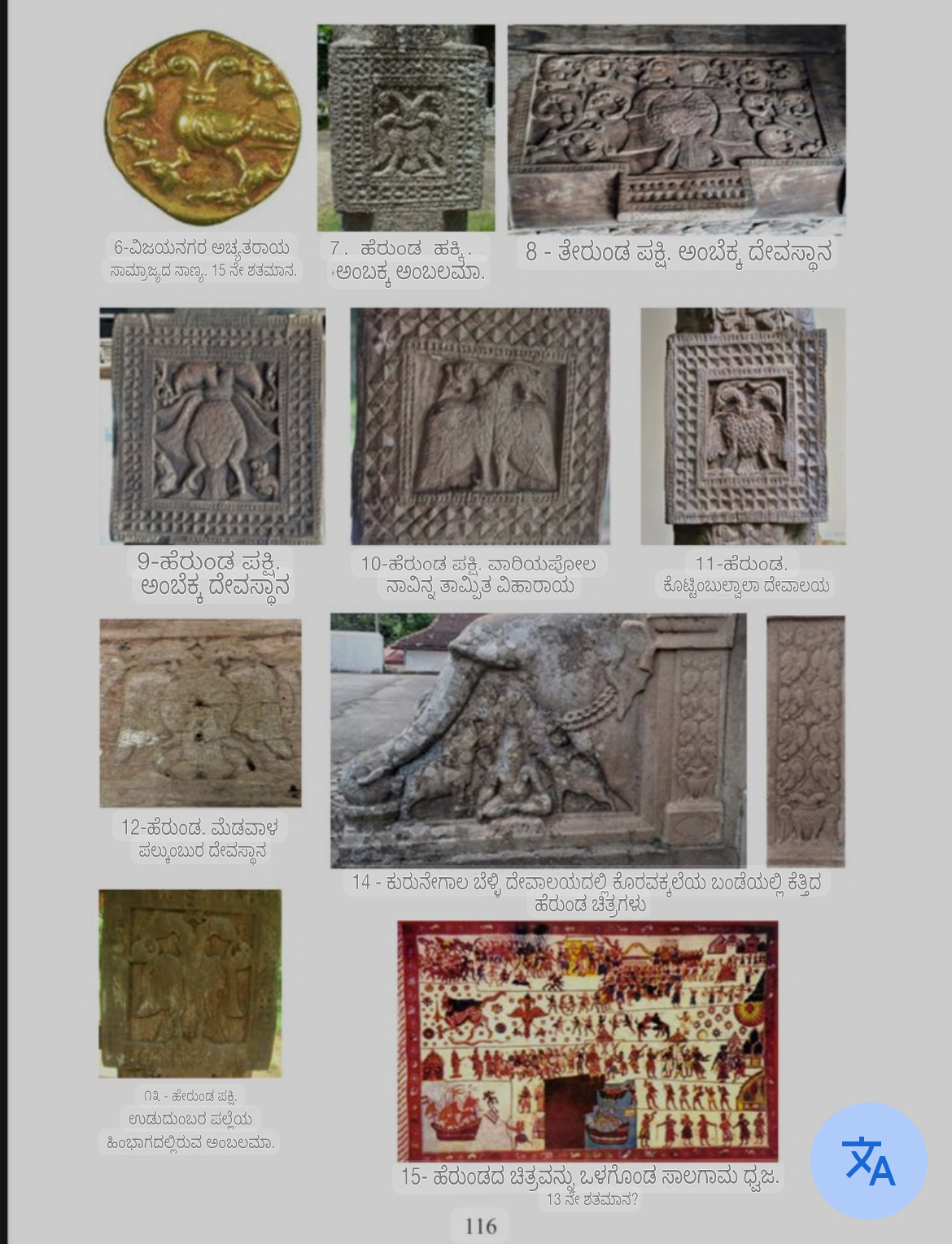
• ಅಚ್ಯುತದೇವರಾಯರು ನಾಲ್ಕು ಆನೆಗಳನ್ನು ಹಿಡಿದಿರುವ ಗಂಡಭೇರುಂಡದ ಬಂಗಾರದ ನಾಣ್ಯ.
• ಕೇಳದಿ ನಾಯಕರ ಕಾಲ:
• ಕೇಳದಿ ರಾಮೇಶ್ವರ ದೇವಾಲಯದ ಮೇಲೆ ಗಂಡಭೇರುಂಡ ತನ್ನ ಪಂಜಗಳಲ್ಲಿ ಆನೆಗಳನ್ನು, ಚಂಚುಗಳಲ್ಲಿ ಸಿಂಹಗಳನ್ನು ಹಿಡಿದಿದೆ.
• ವಿಜಯನಗರದ ನಂತರ:
• ಮದುರೈ ನಾಯಕರು, ಕೇಳದಿ ನಾಯಕರು, ಮೈಸೂರು ವೊಡೆಯರೂ ಮುಂದುವರಿಸಿದರು.
• 1881ರಲ್ಲಿ ಮೈಸೂರು ರಾಜ್ಯದ ರಾಜಚಿಹ್ನೆಯಾಗಿ ಅಧಿಕೃತ ಸ್ವೀಕೃತಿ.
3. ಕಲಾತ್ಮಕ ಬಳಕೆ ಮತ್ತು ಜನಪದ ಕಲೆಯಲ್ಲಿನ ಪ್ರಚಾರ
• ಧಾರ್ಮಿಕ ಸಂಬಂಧ:
• ಶ್ರೀ ವಿಷ್ಣುವಿನ ಅವತಾರವಾದ ಕಾರಣದಿಂದ ಪವಿತ್ರ ಚಿಹ್ನೆಯಾಗಿ ಬಳಸಲಾಯಿತು.
• ಬಳಕೆಯ ಉದಾಹರಣೆಗಳು:
• ಒಡಿಶಾದ ಪಟ್ಚಿತ್ರ ಚಿತ್ರಗಳು ಮತ್ತು ಗಂಜಿಫಾ ಆಟದ ಚೀಟುಗಳಲ್ಲಿ.
• ಕಂಚೀಪುರಂ ನೆಯ್ಗಾರರು ಇದನ್ನು ‘ಇರುತಲೈ ಪಕ್ಸಿ’ ಎಂದು ರಕ್ಷಣಾ ಚಿಹ್ನೆಯಾಗಿ ನೆಯ್ದರು.
• ಒಡಿಶಾದ ಇಕಟ್ ನೆಯ್ಗಾರರು.
• ಕರ್ನಾಟಕ, ತಮಿಳುನಾಡಿನ ದೇವಾಲಯ ಆಭರಣಗಳಲ್ಲಿ.
• ಕರ್ನಾಟಕದ ಚರ್ಮದ ಗೊಂಬೆಕಲೆಗಳಲ್ಲಿ.
• ಇಂದಿಗೂ ಬಟ್ಟೆ ವಿನ್ಯಾಸ, ಫ್ಯಾಷನ್ ಕ್ಷೇತ್ರದಲ್ಲಿ ಬಳಸಲಾಗುತ್ತಿದೆ.

References:
#EYSYouthHospet | #Gandabherunda
This year's Ganesh Chaturthi, organized by Shree Ekadanta Yuvakara Sangha, can be seen as a new form of devotional celebration by dedicating it to the "Gandaberunda" bird. It also serves as a way to showcase to the world the pride and honor of the Gandaberunda, which is the "state emblem of Karnataka".
Gandaberunda – This is a mythical, two-headed bird depicted at the top of Karnataka’s official emblem. It symbolizes strength, regeneration, and the self-confidence of the state.
"State Emblem of Karnataka"
At the center of Karnataka's state emblem is the image of the **Gandabherunda**, a mythical two-headed bird. This emblem originated during the Mysore State period in 1881 and was officially adopted after the formation of Karnataka state in 1956.
- Gandabherunda: A fierce two-headed bird symbol of power, protection, and divinity.
- Yaalis: Divine lion-like figures on both sides – represent courage and sovereign authority.
- Gajalakshmi: Goddess Lakshmi seated with kalashas (sacred pots) – signifies wealth and prosperity.
- Satyameva Jayate: The national motto written in Devanagari script at the bottom – "Truth alone triumphs."
"Gandabherunda: The Ancient Two-Headed Bird"
The term Gandabherunda (Gaṇḍabheruṇḍa) is derived from two Sanskrit words — “Gaṇḍa” and “Bheruṇḍa.” The word “Bheruṇḍa” is often interpreted as “fearsome and terrifying.”
What does Gandabherunda mean?
Ganesh Chaturthi is a festival of renewal and devotion. By dedicating it to Gandabherunda, we showcase the cultural strength of our state to the world.
• “Gaṇḍa” means powerful,
• “Bheruṇḍa” means two-headed.
Hence, Gandabherunda is commonly described as a “terrifying two-headed bird.” According to mythology, this fierce creature was a divine form taken by Lord Vishnu to counter Lord Shiva’s Sharabha form.
"Use of Gandabherunda in KSRTC:"
KSRTC uses the Gandabherunda symbol as its emblem on buses and tickets. This reflects how Karnataka’s transport system is connected with the state's heritage and culture.
References to the Berunda Bird in Ancient Literature (from BCE to 300 CE)
1. Panchatantra Tales (approx. 200 BCE – 300 CE)
• A story features a bird named Berunda with two heads, similar to Garuda.
• The two heads — Garuda and Upagaruda — take turns sleeping and waking.
• While Upagaruda is asleep, Garuda eats a delicious flower.
• Angered, Upagaruda eats a poisonous flower after waking up.
• As a result, both die.
• Moral: Without unity, both sides perish.
• This story also appears in Buddhist Jataka tales.
2. Mahabharata (reference older than 400 BCE)
• Berunda birds are described as having human faces and melodious voices.
3. Kalpasutra (Jain Text) (Bhadrabahu – 4th century BCE)
• The 24th Tirthankara, Mahavira, stated that those who are vigilant in all directions are like the Berunda bird.
4. Vishnu Smriti
• Some hymns are referred to as "Berunda" in this text.
5. Shatrunjaya Mahatmya
• Berunda birds are described as "Khila Pakshina" — desert-dwelling birds.
6. Shiva Purana
• Berunda birds are listed among Lord Shiva's attendant deities.
7. Matsya Purana
• One of Jatayu’s sons is named Berunda, and he is said to be an ancestor of all birds.
8. Brahmanda Purana
• The Berunda bird is depicted as the mount (vahana) of Goddess Mahavajreshwari.
"History of Gandabherunda in the Vijayanagara Empire"
Emblem of Vijayanagara:
Gandabherunda was a prominent emblem of the Vijayanagara Empire. It was used on coins, monuments, and other official records.
During the reign of Achyutadevaraya:
During the reign of Achyutadevaraya, depictions of Gandabherunda can be seen on gold and copper coins.
Symbol of Power:
Gandabherunda symbolized power, courage, and protection. It reflected the authority and prestige of the Vijayanagara rulers.
• Gandabherunda → A two-headed mythical bird, symbol of immense power and supremacy.
• Vijayanagara rulers → Used it as their royal emblem.
• Achyutadevaraya (A.D. 1529–1542) → Featured the Gandabherunda design on gold coins.
• On that coin → The Gandabherunda is depicted holding a total of four elephants — two in its beaks and two in its claws.
• Symbolic meaning of the four elephants → The four Islamic Sultanates of the Deccan at the time:
1. Bidar
2. Bijapur (Vijayapura)
3. Ahmadnagar
4. Golconda
• This design → A political message that the Vijayanagara Empire had dominance over enemies in all directions.
• On the reverse side of the coin → An inscription in Devanagari script reading “Shri Pratapa Achyutaraya.”
"Emblem of the Mysore Kings:"
After the fall of the Vijayanagara Empire, the Mysore kings adopted the Gandabherunda as their royal emblem, and it was later continued as the official emblem of the state of Karnataka.
Use in Currency Notes:During the time of the Mysore state, the Gandabherunda symbol appeared on printed currency notes.
-After Vijayanagara
In the Mysore Wodeyar kingdom, the tradition of using the Gandabherunda as their emblem began.
- It is said that in the mid-16th century, the use of the Gandabherunda insignia in gold started.
Professor P. V. Nanjaraj Urs, also known as Nanjaraj Urs, was a historian and film producer from Karnataka, India.
- Yaduraya, who was the ruler of Mysore, for the first time used a flag printed with the image of the Gandabherunda during his victory expedition.
After that, the red-colored flag of Mysore came to be used as the state flag of Mysore. It symbolized truth and righteousness.
"The state flag bearing the motto ‘Sathyamevo Bhavaramyaham’ fluttered as a symbol of truth and righteousness."
"Karnataka State Police"
• The emblem of the Karnataka State Police features the Gandabherunda symbol.
• It represents immense power, courage, and justice.
• At the bottom of the emblem, the motto “Satyameva Jayate” is inscribed.
• It signifies the department’s commitment to protecting the people and maintaining law and order.
• Even today, this logo is displayed on police vehicles, uniforms, and official documents.
"Mythological Stories"
In Hindu Smriti Puranas, the origin of Gandabherunda begins after the Narasimha avatar. After slaying Hiranyakashipu and rescuing Prahlada from the afterlife, Lord Narasimha remained engulfed in uncontrollable rage like a volcano, endangering the cosmos. On the advice of the gods, Lord Shiva took on the fierce form of Sharabha—more terrifying than Narasimha—to pacify him. Yet even Sharabha couldn’t subdue Narasimha’s fury.
Ultimately, Vishnu manifested again in a more powerful form — as Gandabherunda, the mighty two-headed bird — to defeat Sharabha. This cosmic battle is described in detail in the Narasimha Purana and other Vaishnava texts.
"Gandabherunda – History and Artistic Representation"
1. Ancient Period (Before 11th century CE)
• Concept in multiple civilizations:
The idea of a powerful two-headed bird wasn’t limited to India. Civilizations like the Hittites, Egyptians, and Sumerians also depicted such divine birds, often as symbols of omniscience.
• Theories of origin:
• According to British archaeologist John Marshall, this form was brought into India by the Shakas via Taxila, and later spread to Vijayanagara and Sri Lanka.
• However, references in the Panchatantra, Mahabharata, Panini’s grammar, and Kalpasutra indicate that this concept predated the arrival of the Shakas.
• Earliest sculptures:
• First image: At the base of a stupa near Sirkap, Taxila one head facing forward, the other backward (symbolizing past and future), 3rd century BCE.
• Another: On the gateway of Sanchi Stupa (2nd century BCE).
• Two-headed swan depicted on the railing of Bodh Gaya Stupa.
2. Medieval Period (After 11th century CE)
• Rise in Karnataka:
• The Victory Pillar at Balligavi is one of the oldest temple depictions of Gandabherunda.
• Human-like body with two Garuda heads facing opposite directions.
• Built by Chalukya commander Chamundaraya as a symbol of victory (11th century CE).
• Royal emblem of kingdoms:
• Chalukyas, Kadambas, Kakatiyas, and Hoysalas all adopted Gandabherunda as their royal emblem or insignia.
• Hoysala Belur Temple:
• On the "Chain of Destruction" sculpture — Gandabherunda attacking Sharabha.
• Vijayanagara Empire:
• The kings used Gandabherunda as a royal symbol.
• Emperor Achyutadevaraya issued a gold coin depicting Gandabherunda clutching four elephants.
• Keladi Nayakas:
• At the Rameshwara Temple in Keladi, Gandabherunda is shown holding elephants in its claws and lions in its beaks.
• After the fall of Vijayanagara:
• Continued use by Madurai Nayakas, Keladi Nayakas, and Mysore Wodeyars.
• In 1881, officially adopted as the royal emblem of the Kingdom of Mysore.
3. Artistic Usage and Popular Representation
• Religious significance:
• Seen as a sacred symbol due to its connection with Lord Vishnu’s avatar.
• Examples of usage:
• Odisha's Pattachitra paintings and Ganjifa playing cards.
• Kanchipuram weavers referred to it as ‘Iruthalai Pakshi’ (two-headed bird) and used it as a protective motif.
• Ikat weavers of Odisha.
• Temple jewelry in Karnataka and Tamil Nadu.
• Karnataka’s leather puppet art.
• Still seen today in textile designs and fashion industries.
References:
#EYSYouthHospet | #Gandabherunda